KUALA LUMPUR: Malaysia is stepping up efforts to strengthen its circular economy as rising waste volumes and growing global sustainability requirements push industries to adopt greener practices, said Deputy Investment, Trade and Industry Minister Sim Tze Tzin.
He said recycling and ESG (environmental, social and governance) compliance are no longer optional as global markets increasingly require products to contain sustainable and recycled materials.
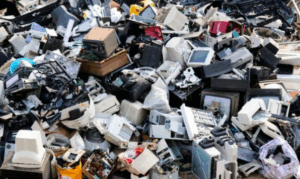
Sim said Malaysia generated 15.38 million tonnes of solid waste in 2025, with around 39,000 tonnes sent to landfills every day.
He warned that landfill sites across the country could reach capacity by 2041 if recycling rates are not significantly improved.
Malaysia’s recycling rate currently stands at nearly 39 per cent, close to the government’s 40 per cent target, but Sim said the country must move beyond merely meeting targets and instead view recycling as an economic opportunity.
“About 40 per cent of daily waste, roughly 15,000 tonnes, consists of recyclable materials such as plastics, paper and metals.
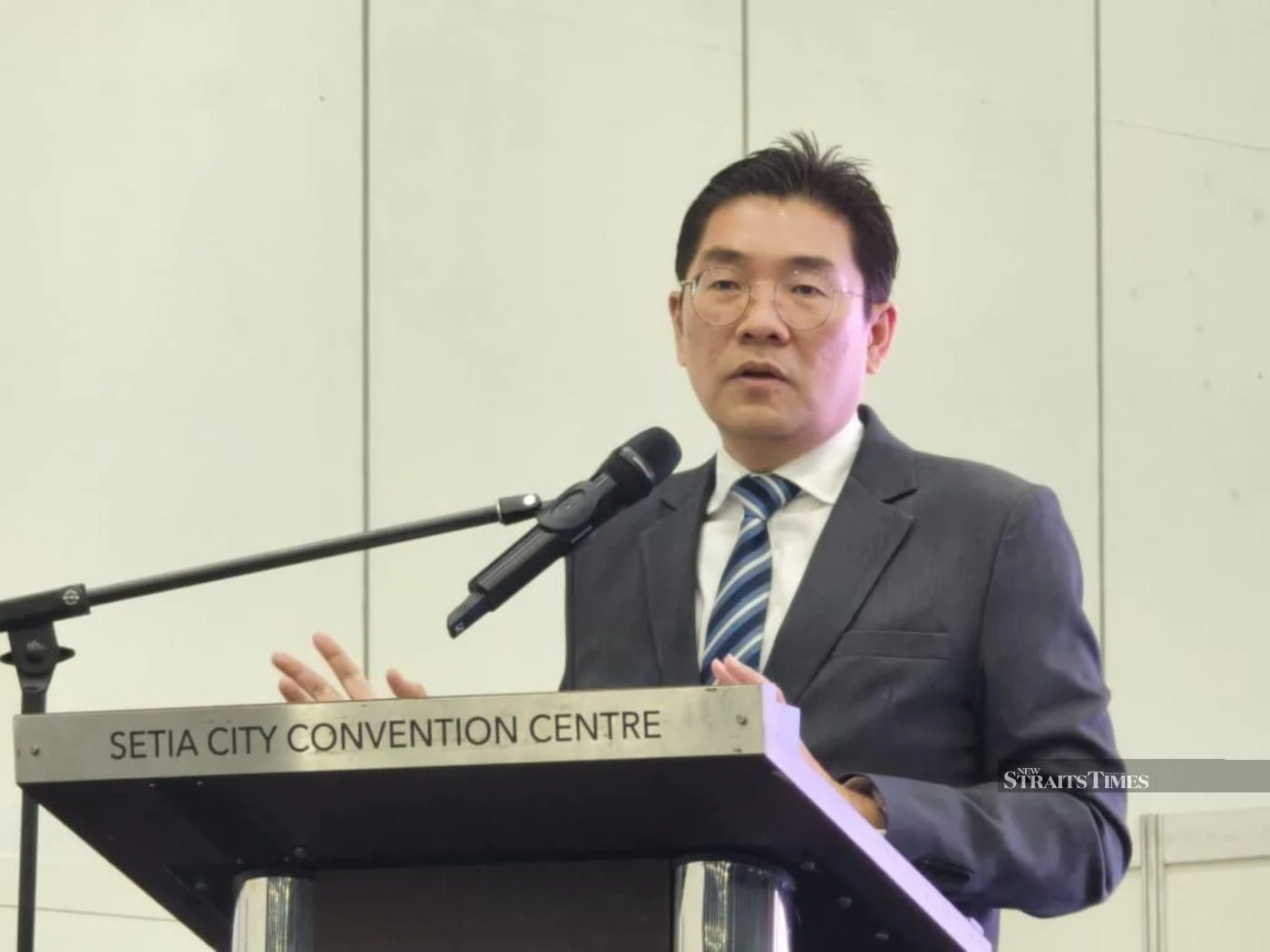
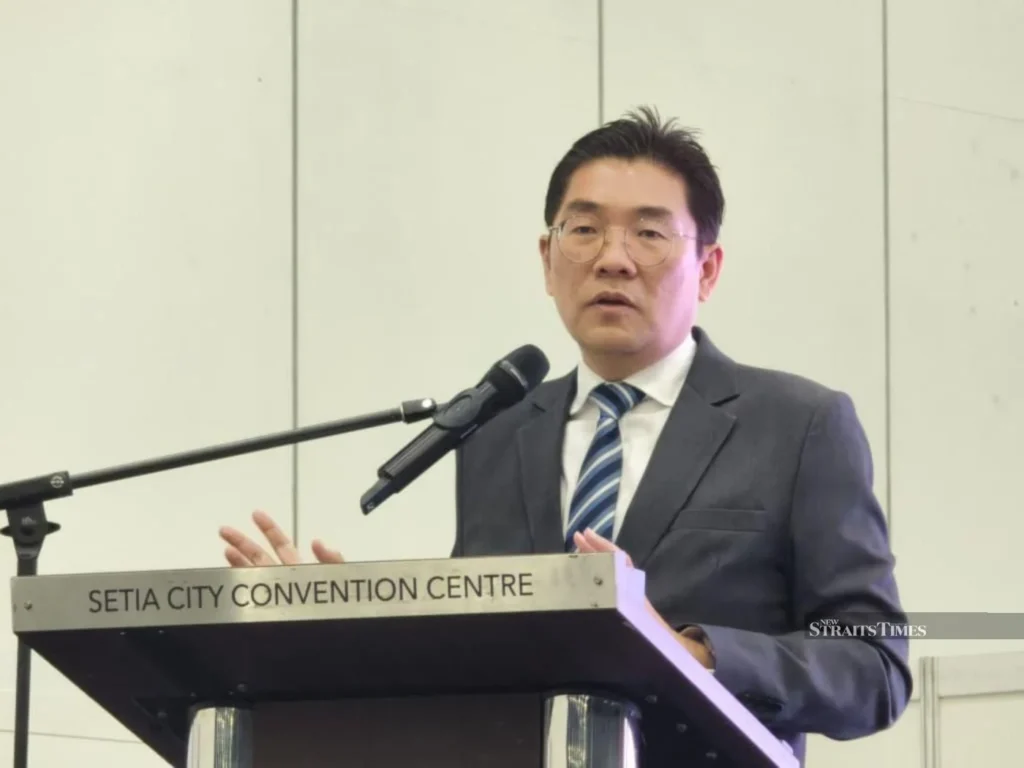
“These are not just scraps anymore. They are valuable industrial assets,” he said at the Malaysia Waste Management and Recycling Expo 2026 (MYWARE Expo) and Malaysia Logistics Warehouse Expo 2026 (MYLOG Expo).
Sim added that Malaysia is effectively discarding around RM500 million worth of recyclable materials into landfills annually, despite industries increasingly facing shortages of imported raw materials.
“When we bury recyclable materials, we are also burying valuable feedstock needed by our manufacturing sector,” he said.
He said the future supply chain must support a circular economy through sustainable logistics, efficient warehousing, energy-saving technologies and reverse logistics systems that minimise waste.
As part of the government’s efforts, Sim said extended producer responsibility (EPR) was introduced in January 2026 under the circular economy blueprint, requiring producers to pay higher charges for products that are not recycling-friendly.
He said the policy is intended to encourage industries to use sustainable packaging and increase the use of recyclable materials in manufacturing.
Sim also highlighted growing international regulatory pressure, including Europe’s Eco-Design for Sustainable Products Regulation (ESPR), which requires products to contain certified recycled content before entering the market.
“Circularity is no longer a choice. It has become a market demand,” he said.
To support the transition, Sim said the government, through agencies such as Malaysian Investment Development Authority, is offering ESG-linked incentives, including preferential tax rates, green investment allowances and financing schemes for companies investing in sustainable technologies and recycling infrastructure.
He added that businesses with stronger ESG performance would receive better incentive scores under the government’s new investment framework.
News Source: https://www.nst.com.my/business/esg/2026/05/1443933/malaysia-urges-faster-shift-circular-economy-waste-levels-near